
Ancala Mulching Services
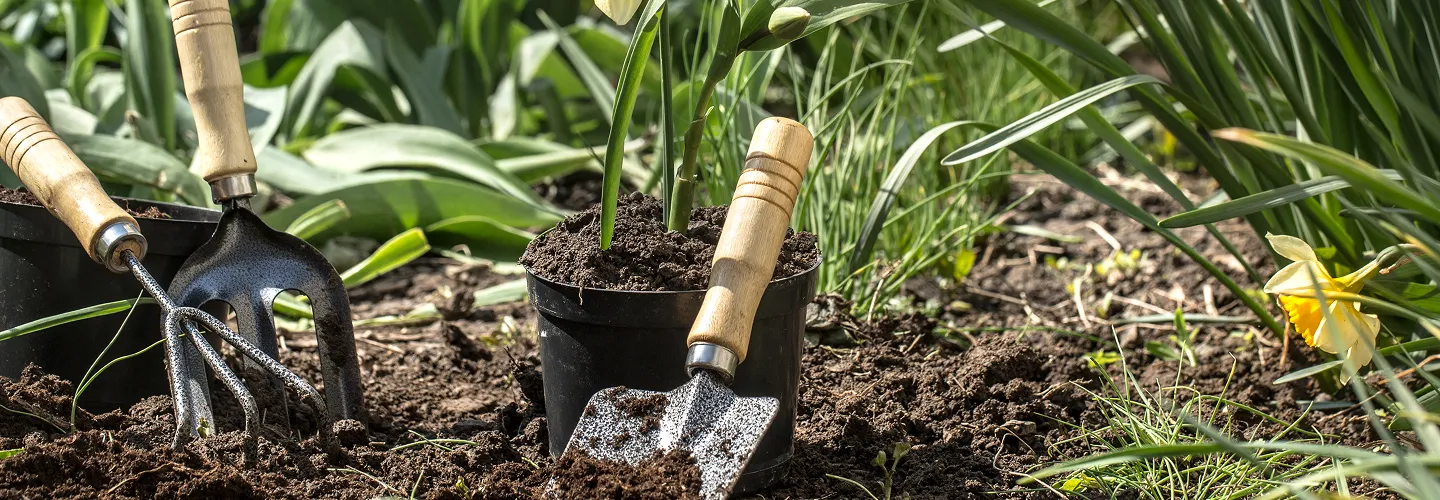
Choose our mulching services for superior moisture retention, weed suppression, and a polished look that elevates your property's curb appeal—delivered by experienced professionals who care about your landscape's long-term health.
Get a Free QuoteOur Ancala Landscaping & Yard Care Services
When to Schedule Mulching in Ancala, Arizona – Seasonal Guide
In Ancala, Arizona, timing your mulching service is crucial for maintaining healthy, vibrant landscapes throughout the year. The best periods for mulching are typically late winter to early spring, just after the last frost, and again in early fall before the cooler temperatures set in. Ancala’s unique microclimate—shaped by its proximity to the McDowell Mountains and neighborhoods like Ancala Country Club—means that soil moisture, sun exposure, and temperature fluctuations all play a role in determining the optimal schedule.
Local environmental factors such as the risk of drought, variable humidity, and the prevalence of rocky or sandy soils require a tailored approach. For example, properties near Lost Dog Wash Trail may experience different shade patterns and soil drainage compared to homes closer to Via Linda. It’s also important to consider municipal guidelines and resources like the Town of Sudbury’s environmental recommendations when planning your mulching routine.
Local Factors to Consider for Mulching in Ancala
- Tree density and canopy coverage
- Slope and terrain variations
- Seasonal precipitation and irrigation needs
- Soil composition (rocky, sandy, or clay)
- Proximity to natural washes or protected areas
- Municipal restrictions or HOA guidelines
- Recent weather events (frost, monsoon rains)
By understanding these local factors, you can ensure your mulching schedule supports both the health of your landscape and the unique environmental needs of Ancala.
Benefits of Mulching in Ancala
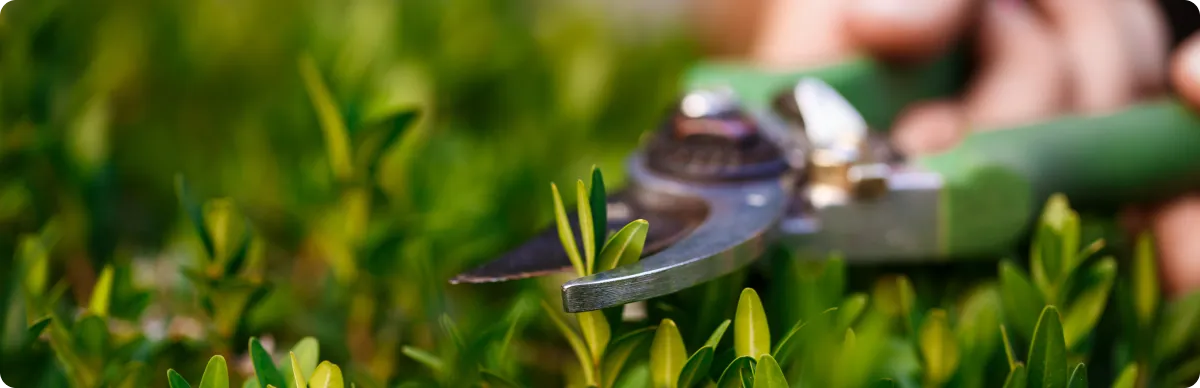
Enhanced Soil Moisture Retention
Weed Growth Suppression
Improved Curb Appeal
Temperature Regulation for Plant Roots
Reduced Soil Erosion
Nutrient-Rich Soil Enrichment
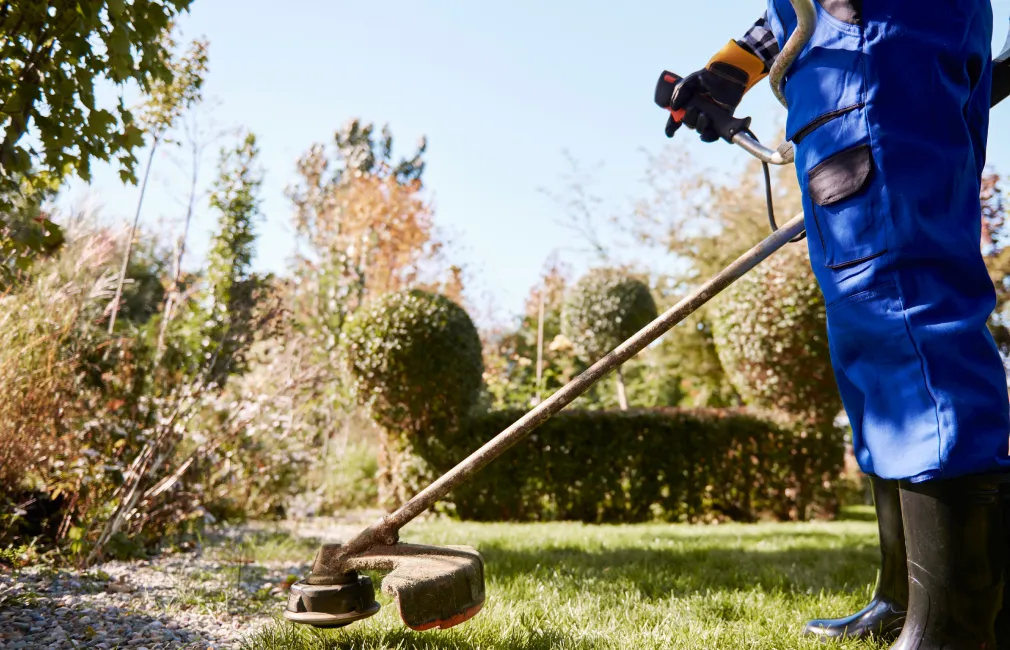
Ancala Mulching Types

Organic Mulch
-
Inorganic Mulch
-
Wood Chip Mulch
-
Rock Mulch
-
Bark Mulch
-
Compost Mulch
-
Rubber Mulch
Our Mulching Process
Site Evaluation
Soil Preparation
Mulch Selection
Mulch Application
Final Inspection
Why Choose Ancala Landscape Services
-
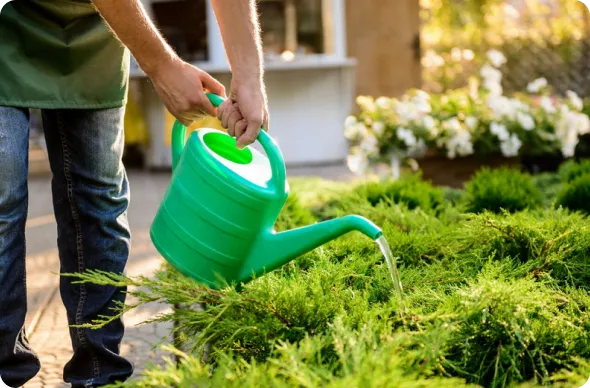
Ancala Homeowners Trust Us
-
Expert Lawn Maintenance
-
Reliable Irrigation Solutions
-
Comprehensive Yard Cleanups
-
Competitive Pricing
-
Professional Team
-
Satisfaction Guarantee
Coordinating Mulching Services with Scottsdale Municipal Programs in Ancala
Ancala is an unincorporated community situated within the City of Scottsdale's jurisdiction, meaning all municipal landscape and environmental programs administered by Scottsdale apply to properties in this area. Residents and property managers planning mulching projects should be aware that the city's environmental sustainability initiatives address how organic and inorganic landscape materials interact with stormwater infrastructure. Scottsdale's water conservation programs also encourage mulching as a method to reduce irrigation demand, aligning with broader Arizona Department of Water Resources landscaping guidance. Before hauling bulk mulch materials into the community, property owners should verify any applicable green waste disposal or bulk delivery logistics through the city's service request system.
- Confirm that mulch deliveries do not obstruct public rights-of-way, sidewalks, or drainage inlets
- Coordinate with HOA management regarding approved mulch types and colors for front-yard applications
- Review Scottsdale's sustainability compliance resources for guidance on landscape material standards
Scottsdale Environmental Initiatives & Sustainability Compliance
7447 E Indian School Rd, Scottsdale, AZ 85251
Official Website: Scottsdale Environmental Initiatives & Sustainability Compliance
Scottsdale Water
9388 E San Salvador Dr, Scottsdale, AZ 85258
Official Website: Scottsdale Water
How Ancala's Desert Heat and Alkaline Soils Affect Mulching Performance
Ancala sits in the Phoenix metro low desert within USDA Hardiness Zone 9b–10a, where summer surface temperatures on exposed soil can exceed 150°F. Mulching in this environment serves a critical role in moderating root-zone temperatures and reducing evaporative moisture loss from irrigated planting beds. The predominant soils in the Ancala area tend toward alkaline sandy loam with caliche layers at variable depths, which limits natural water infiltration and makes surface moisture retention through mulch even more important.
- Reflected heat: Ancala properties frequently feature stucco walls, concrete driveways, and decorative stone that radiate heat into adjacent planting beds, accelerating mulch decomposition
- Monsoon runoff: Intense summer storms can displace lightweight organic mulch from sloped beds into washes, retention basins, and street inlets
- Irrigation dependence: With minimal natural rainfall outside the monsoon window, mulch helps extend the effectiveness of drip emitter output by slowing surface evaporation
- Decomposed granite prevalence: Many Ancala landscapes already use DG as a ground cover; transitioning beds to organic mulch requires understanding how the two materials interact at the soil interface
Navigating Ancala's Stormwater and Landscape Compliance Requirements for Mulching
Scottsdale operates under Arizona's Phase II Municipal Separate Storm Sewer System (MS4) program, which regulates pollutant discharge into stormwater conveyances. Mulch that migrates off-site during monsoon events or irrigation runoff can contribute organic debris to storm drains and downstream washes, creating potential compliance concerns under the Clean Water Act. Property owners should ensure that mulch installations include containment measures such as edging, berms, or rock borders to prevent washout into the public drainage system. The Arizona DEQ stormwater program provides additional guidance on best management practices for landscape materials near drainage infrastructure.
- Avoid piling mulch against foundation walls or within flood-control easements
- Verify with Scottsdale's planning and development office whether landscape modifications in visible frontage areas require design review, particularly in Ancala's architecturally controlled subdivisions
- Ensure that dyed or treated mulch products do not introduce chemical leachate into retention basins or natural washes
Scottsdale Planning & Development
7447 E Indian School Rd, Scottsdale, AZ 85251
Official Website: Scottsdale Planning & Development
Timing and Methods for Mulching Around Ancala's Extreme Seasonal Cycles
Professional mulching in the Ancala area follows timing patterns dictated by the low desert's extreme temperature swings and monsoon season. The most effective application windows fall in early spring before sustained triple-digit heat arrives and again in late fall after monsoon moisture has subsided. Organic mulch such as shredded bark or wood chips is typically applied at a depth of two to four inches around trees, shrubs, and perennial beds, while keeping material pulled back several inches from plant stems and tree trunks to prevent moisture-related decay.
- Pre-monsoon check: Inspect and replenish mulch in May or June, securing edges and borders before July storm activity
- Post-monsoon assessment: Evaluate mulch displacement after the monsoon season ends in September; redistribute or replace material washed into low spots
- Inorganic alternatives: Decomposed granite and decorative rock mulch are common in Ancala due to their resistance to wind and water displacement, though they do not contribute organic matter to the soil
- Drip system coordination: Mulch should be applied after verifying emitter placement and flow rates, as buried emitters under thick mulch layers can become clogged or difficult to inspect
Resources from the University of Arizona Cooperative Extension and Arizona Community Forestry & Tree Care provide regionally appropriate guidance on mulch selection and application for desert landscapes.
What Neighborhoods Do We Serve Throughout Ancala, AZ?
- Ancala Country Club Estates — Large custom lots with mature desert landscaping and extensive irrigated planting beds that benefit from consistent organic mulch replenishment around established trees and ornamental shrubs
- Ancala Village — Properties here often feature a mix of decorative rock and organic mulch zones, with HOA standards that may specify approved ground cover materials and colors for front-facing beds
- Ancala West — Sloped lots adjacent to natural desert washes require careful mulch containment to prevent material migration during monsoon runoff events
- Ancala Heights — Elevated homesites with significant reflected heat from hardscape surfaces, making mulch depth and material selection critical for root-zone temperature management
- Pinnacle Peak Estates (adjacent) — Nearby properties with large irrigated landscapes where mulching around citrus and shade trees supports water conservation and soil health in alkaline conditions