
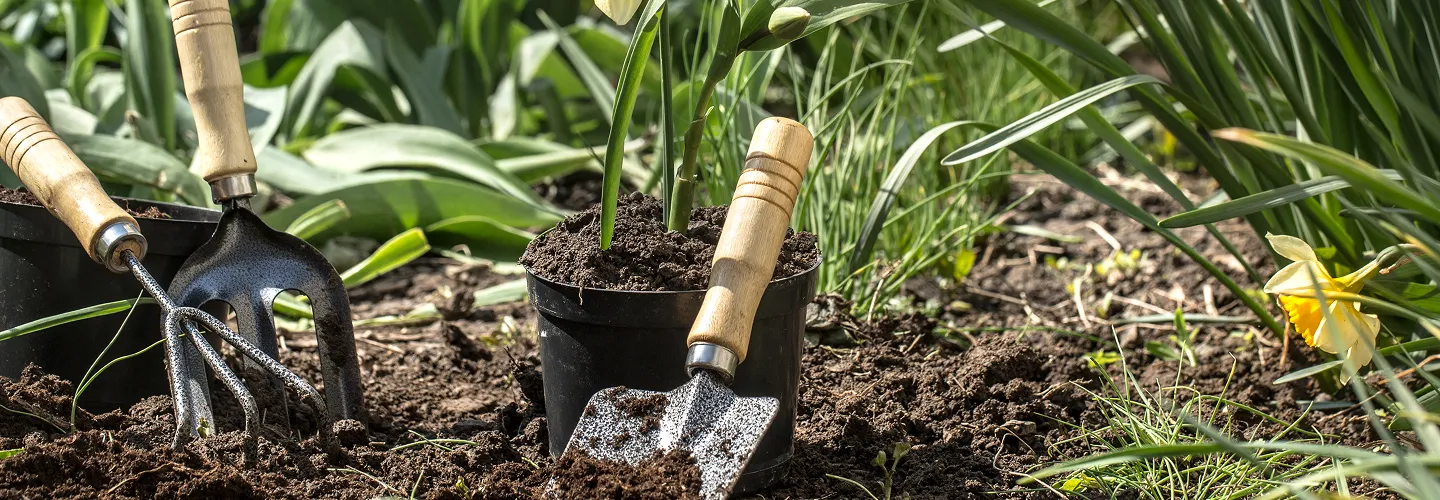
Ancala Flower Planting Services
Choose our Flower Planting services for expert design, premium plant selection, and vibrant gardens that thrive season after season—making your outdoor space the envy of the neighborhood.
Get a Free QuoteOur Ancala Landscaping & Yard Care Services
When to Schedule Flower Planting in Ancala, Arizona – Seasonal Guide
Flower planting in Ancala, Arizona, is best scheduled with careful attention to the area’s unique climate and landscape. The optimal planting windows are typically in early spring (late February to early April) and again in the fall (late September to early November), when temperatures are milder and the risk of frost is minimal. Ancala’s proximity to the McDowell Mountains and its elevation mean that microclimates can vary, especially in neighborhoods near Ancala Country Club or along Via Linda, so it’s important to monitor local weather patterns closely.
Key environmental factors such as the region’s low humidity, occasional drought conditions, and alkaline desert soils all play a role in determining the best time for planting. Shade coverage from mature mesquite and palo verde trees, as well as the presence of rocky or sloped terrain, can influence both flower selection and planting schedules. For more detailed local guidelines, consult resources like the Sudbury municipal site, which offers helpful landscaping tips tailored to desert communities.
Local Factors to Consider for Flower Planting in Ancala
- Tree density and shade from native species
- Soil composition and drainage, especially in foothill areas
- Seasonal precipitation and irrigation availability
- Risk of late spring or early fall frost
- Municipal landscaping restrictions or water use guidelines
- Proximity to landmarks such as Ancala Park or the McDowell Sonoran Preserve
Benefits of Flower Planting in Ancala
Expert Local Knowledge
Customized Landscape Designs
Seasonal Plant Selection
Enhanced Curb Appeal
Eco-Friendly Practices
Reliable Maintenance Services
Ancala Flower Planting Types

Perennial Flower Beds
-
Annual Flower Displays
-
Native Wildflower Gardens
-
Seasonal Bulb Plantings
-
Drought-Tolerant Flower Gardens
-
Pollinator-Friendly Plantings
-
Shade Garden Flowers
Our Flower Planting Process
Site Evaluation
Soil Preparation
Plant Selection
Careful Planting
Watering and Mulching
Why Choose Ancala Landscape Services
-
Ancala Homeowners Trust Us
-
Expert Lawn Maintenance
-
Reliable Irrigation Solutions
-
Comprehensive Yard Cleanups
-
Competitive Pricing
-
Professional Team
-
Satisfaction Guarantee
Coordinating Flower Planting Projects with Scottsdale Municipal Programs in Ancala
Ancala is an unincorporated community within the City of Scottsdale's jurisdiction, meaning all municipal landscape and development standards administered by Scottsdale apply to flower planting projects in the area. Residents and property managers planning flower installations—particularly those involving irrigation modifications, soil import, or planting within common areas—should coordinate with the appropriate city departments before beginning work. Scottsdale's water conservation programs encourage the use of desert-adapted flowering species and efficient drip irrigation, and the city's environmental sustainability initiatives may influence plant selection in areas adjacent to natural open space or drainage corridors. Property owners in HOA-governed subdivisions throughout Ancala should also verify community-level landscape guidelines before selecting flower varieties or altering bed configurations.
Scottsdale Water
Official Website: Scottsdale Water
Scottsdale Environmental Initiatives & Sustainability Compliance
Official Website: Scottsdale Environmental Initiatives & Sustainability Compliance
How Ancala's Desert Soil and Heat Exposure Shape Flower Planting Success
Ancala sits within USDA Hardiness Zone 9b–10a in the Phoenix metro low desert, where summer temperatures routinely exceed 110°F and winter lows occasionally dip near freezing. These conditions directly govern which flowering species survive and when planting should occur. Key site factors affecting flower planting in Ancala include:
- Alkaline, calcareous soils with pH levels commonly above 7.5, which can limit iron and phosphorus availability to flowering plants and cause chlorosis in non-adapted species
- Caliche layers at variable depths that impede root penetration and drainage, often requiring soil amendment or raised bed construction for successful flower establishment
- Decomposed granite and rocky fill prevalent in many Ancala subdivisions, necessitating organic matter incorporation to improve moisture retention around root zones
- Intense reflected heat from stucco walls, concrete driveways, and decorative rock mulch, which elevates microclimate temperatures well beyond ambient air readings
- Monsoon-season runoff from July through September that can wash out newly planted beds, erode amended soil, and deposit sediment into nearby washes and retention basins
Soil conditions can be further evaluated through the USDA Web Soil Survey, and regional hardiness data is available via the USDA Plant Hardiness Zone Map.
Navigating Ancala's Zoning and Environmental Compliance for Flower Planting
While routine residential flower planting does not typically require a permit in Scottsdale, certain project scopes may trigger review. Landscape modifications that alter grading, drainage patterns, or irrigation infrastructure near washes or environmentally sensitive lands may require coordination with the city's planning and development services. Residents should be aware of the following regulatory considerations:
- Scottsdale's zoning code may impose landscape screening or planting requirements for properties in specific zoning districts—verify current standards through Scottsdale Zoning
- Any flower planting project that involves soil disturbance near drainage corridors or retention basins should comply with stormwater management principles outlined under Arizona DEQ stormwater guidance and the Clean Water Act
- Chemical soil amendments, fertilizers, or pest treatments applied during flower bed preparation must be handled by properly licensed applicators as required under Arizona Department of Agriculture licensing standards
- The Arizona Department of Water Resources provides landscaping guidance that supports water-efficient planting practices applicable to Ancala properties
Scottsdale Planning & Development
Official Website: Scottsdale Planning & Development
Timing and Methods for Flower Planting in Ancala's Low Desert Climate
Professional flower planting in Ancala follows two primary planting windows dictated by the region's extreme heat cycle. The fall window, generally from mid-October through November, allows cool-season annuals such as petunias, snapdragons, stock, and pansies to establish root systems before winter. The spring window, typically from late February through early April, accommodates warm-season and desert-adapted species such as vinca, lantana, desert marigold, and angelita daisy before summer heat intensifies. Key professional standards include:
- Soil preparation: Amend native alkaline soils with sulfur or organic compost to improve nutrient availability and water-holding capacity before planting
- Emitter coverage: Position drip irrigation emitters to deliver water directly to root zones, avoiding overhead spray that promotes foliar disease and water waste
- Mulch application: Apply 2–3 inches of organic mulch around flower beds to moderate soil temperature, reduce evaporation, and suppress weed germination
- Hydrozoning: Group flowering plants by water requirement to prevent overwatering drought-tolerant species or underwatering thirstier annuals
- Monsoon protection: Secure newly planted beds with temporary edging or berms to prevent washout during intense summer storms, and avoid planting in low-lying areas prone to sheet flow
Flower selections should prioritize species rated for the local hardiness zone and adapted to full sun or filtered shade conditions typical of Ancala's residential landscapes.
What Neighborhoods Do We Serve Throughout Ancala, AZ?
- Ancala Country Club — Properties surrounding the golf course feature irrigated landscapes with significant reflected heat from adjacent hardscape, requiring careful flower species selection and emitter placement for bed longevity
- Ancala Village — Established residential lots with mature desert landscaping often present shade pockets and root competition that influence flower bed siting and soil amendment needs
- Ancala West — Homes in this area frequently border natural desert washes, making erosion-conscious bed preparation and monsoon-safe planting practices essential
- Ancala Heights — Elevated lots with sloped terrain require graded bed construction and runoff management to prevent soil and mulch displacement during storm events
- Pinnacle Peak Estates (adjacent Ancala) — Larger lot sizes and open exposures create intense sun conditions that favor heat-tolerant perennials and desert-adapted flowering shrubs over traditional annuals